





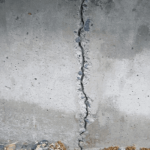
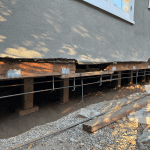
Despite the powerful words of the 1970s hit song (remade in the 90s) “It Never Rains in Southern California,” we do, in fact, get rain. Sure, we can spend most of the year basking at the beach in flip-flops, and that’s a great thing. However, traffic jams, floods, and—well—compromised home foundations tell the story of many Southern California homeowners being ill-prepared for rain when it comes. Here are three home maintenance tips to protect your foundation and not “get caught in the rain.”

1. Install Rain Gutters or Have Them Cleaned
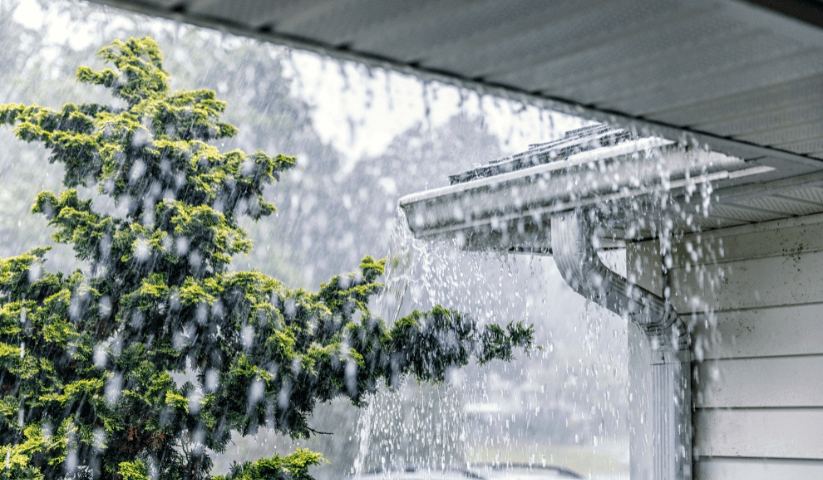
If your home does not have gutters, we highly recommend getting them installed. Without gutters, water from the roof collects near the house instead of being directed away from it. This can lead to cracks and other damage to your home’s foundation over time. If you already have gutters, the fall or any time of the year when it is dry, but not too hot, is a good time to get them cleaned if you have not done so already.
Clogged rain gutters will not work as efficiently, as water can get backed up. Getting them professionally cleaned will work in your favor. Lastly, you can opt to have your rain gutters extended with downspouts to further help channel rainwater away from your home and its foundation.
2. Tackle Any Perimeter Drainage Issues
We discuss the impact water has on your foundation in another article on our website, and explain how saturated soil due to chronic water intrusion can cause foundation issues. During late fall and winter when Southern California tends to get a little more rain, the soil around your home can experience over-saturation and expansion. This, along with other factors such as watering your garden, shrubs, or plants that are too close to your foundation, can be troublesome for your foundation.
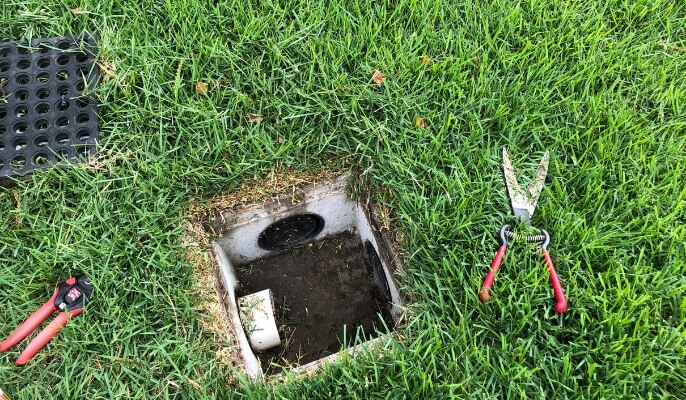
The ideal time to take care of any perimeter drainage issues that could add to over-saturation of the soil under or adjacent to your home is while it’s dry outside before rain kicks in. You can hire a drainage specialist to install a French or alternate drainage system to help get water away from your home and its foundation. Be aware, however, that installing drainage after a foundation system has been cracked or compromised will not fix your foundation or any structural issues resulting from water damage, but proper drainage can direct water away from your home’s foundation moving forward.
Not sure who to contact for drainage? Reach out to us and we’ll refer you to one of our vetted drainage specialists who has helped serve our clients over the years.
3. Re-slope Soil Away from Your Foundation
Having a completely flat yard may look nice, but it can lead to drainage issues that harm both your lawn and your home’s foundation. Even worse, if your lawn slopes towards your house, water can gather around it. Ideally, your lawn should have a gentle slope away from your home’s foundation. Some DIYers may be able to re-slope their soil themselves, but we suggest consulting with a professional to make sure it’s done correctly and to fix your foundation against water damage, preventing potential cracks.
Has already compromised your home’s foundation? Schedule a free* foundation inspection.
*The Foundation Works provides complimentary foundation inspections for owner-occupied homes not on the market to be sold in any of our service areas.
