




Concrete is one of the most common materials used in construction along with lumber and steel. Because of its strength and versatility, concrete is used for foundations on residential and commercial buildings, and much more. When you look around, concrete can be seen everywhere, and when poured and cared for correctly, it can last generations.
Despite its durability, however, concrete is not impervious to the forces of nature. Similar to how untreated wood succumbs to rot, concrete can experience spalling, leading to potential foundation failure.
What is Concrete Spalling?
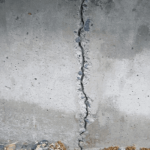
Over the years, we’ve inspected thousands of homes and frequently come across a common issue in foundations called “spalling.” This occurs when moisture infiltrates the foundation and causes visible damage. Spalling is a result of water entering brick, concrete or natural stone which causes the surface to break, peel, chip away or flake off. With concrete, oftentimes this results in actual chunks crumbling and breaking off.
In this article, we’ll discuss:
- Water as the No. 1 enemy of your foundation’s structural integrity and how to protect your foundation from water intrusion
- Causes of concrete spalling
- Options for repairing spalled concrete
The Impact of Water Exposure on a Home’s Foundation
Water exposure can harm a home’s foundation in several ways.
- Saturated Soil (Soil That Is Over-Saturated with Water). This creates hydrostatic pressure, leading to cracks and structural damage over time.
- Soil Erosion. Excessive water erodes the soil, causing settlement and uneven support that can shift or sink the foundation.
- Freeze-Thaw Cycle. In the areas we serve in Southern California, we don’t worry too much about freezing temperatures, but we do want to mention that freezing temperatures can worsen soil erosion because water expands when it freezes, and when it does, it exerts pressure on the concrete and can cause cracks and spalling.
When it comes to your home’s foundation, water is not your friend. The more that can be done to keep water away from your foundation, the longer it will be preserved in serviceable condition. For driveways or walkways, you can apply water-resistant coating and protectants or hire someone to do that for you. This still may not be enough to address water issues or assess the severity of water damage to your home and its foundation. We recommend scheduling an inspection with a foundation expert like The Foundation Works to determine if your foundation has been damaged by water and what to do to fix the problem.
In homes where we see chronic water infiltration as an issue, our inspectors typically recommend having a drainage specialist take a look and create a drainage plan if needed. If you are not sure which drainage company to contact, please reach out to us and we’ll refer you to one of our vendors who has done an excellent job serving our clients in the Los Angeles metro area.
Causes of Spalling Concrete
Spalled concrete can be caused by a number of factors such as chronic water exposure, poor finishing and sealing techniques, improper curing, or in some cases a bad concrete mix. From what we’ve seen while inspecting thousands of homes over the years, these tend to be the common causes of spalling:
- Corrosion or oxidation of reinforcing rebar due to water exposure
- Low-quality concrete or a “bad” concrete mix
- Inadequate curing or improper finishing techniques
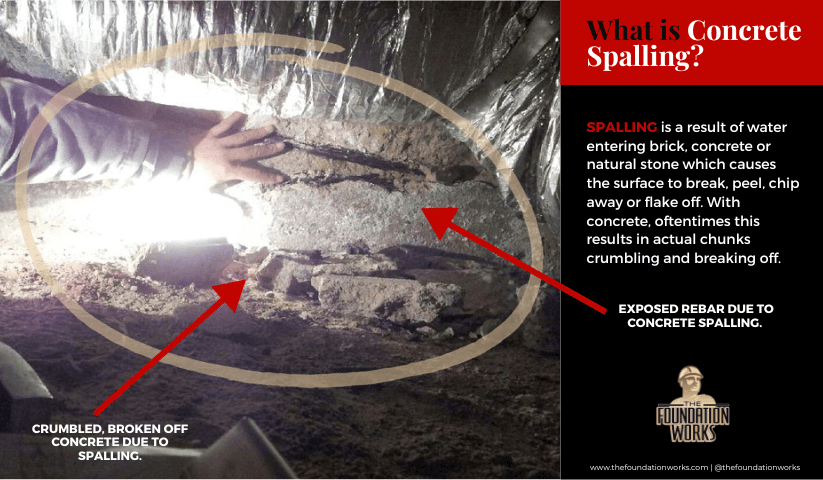
In the photo below, you can see an example of spalled concrete and exposed rebar. Ironically, steel rebar is meant to unify a pour of concrete, but it actually can turn against the concrete and act as a “partner in crime” with the water to destroy an otherwise good concrete foundation. How? As the rebar absorbs water, it begins to rust. As it rusts, it expands, and as it expands, well, it literally creates a greater expansive force than the surrounding concrete’s resistive force. Eventually, the concrete will yield to that overwhelming force and begin to fracture, crumble and break down.
How to Fix Concrete Spalling
Generally, when spalling has occurred, we can repair that section by removing the damaged rebar and installing new rebar within a new concrete pour. But if the damage is too severe and compromises the home’s structural integrity, we recommend removal and replacement of the affected areas.
Removing concrete involves demolishing and extraction. Our team of experienced crew members will use several tools such as jackhammers, shovels, hammer drills, and concrete saws to accomplish this. Once the concrete is removed, we clean up the area and prepare to pour new concrete.
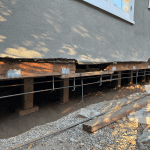
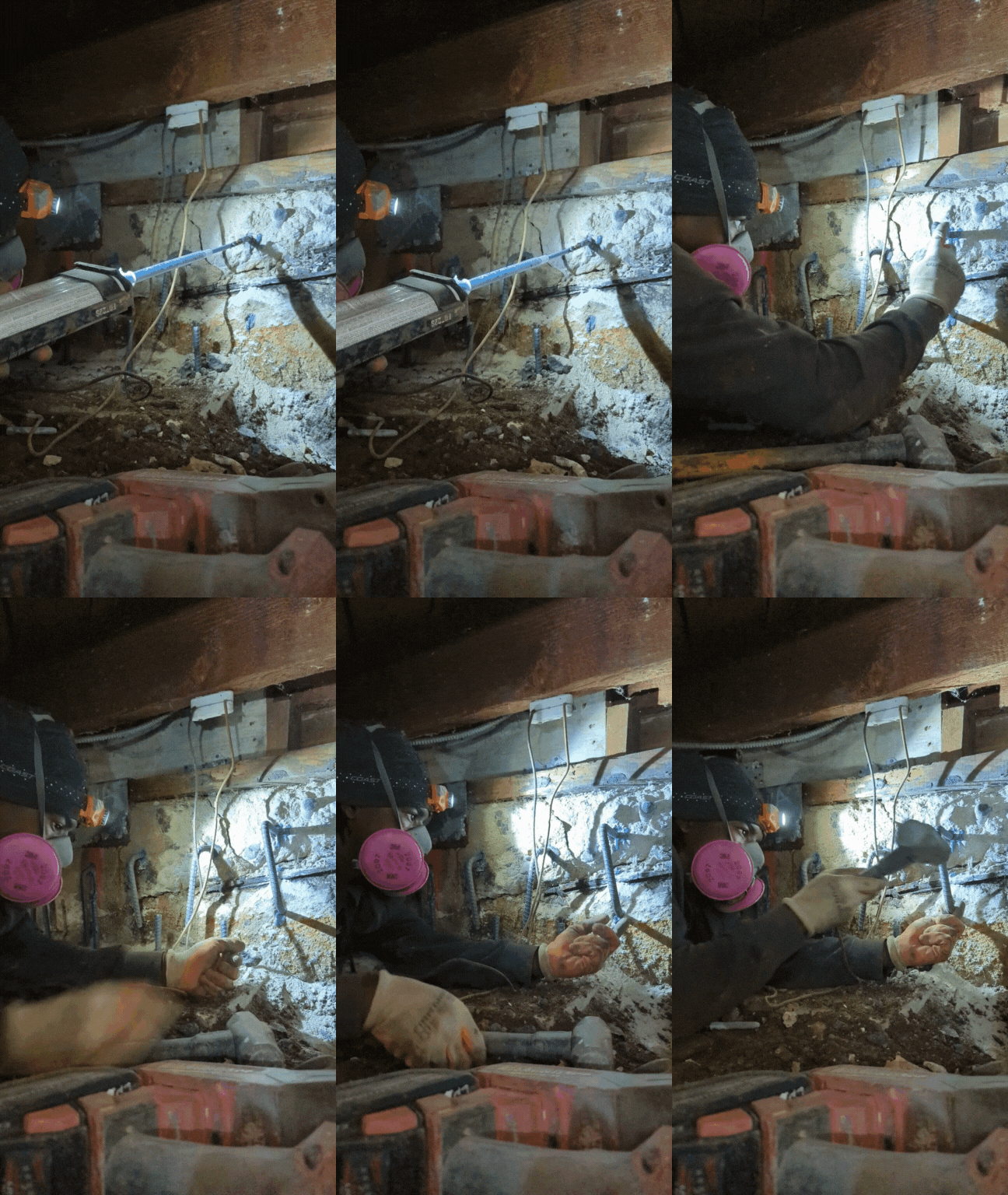
In spalling repair, we add rebar and epoxy as seen below. The new rebar acts as a giant staple which in turn is encompassed into a sister concrete pour, which is essentially a new, concrete wall poured against the existing foundation.
If you notice any spalling, it’s crucial to address it promptly. Are you in the Southern California area and would like one of our foundation specialists to do an inspection? Click here to contact us.
