



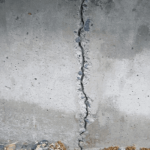
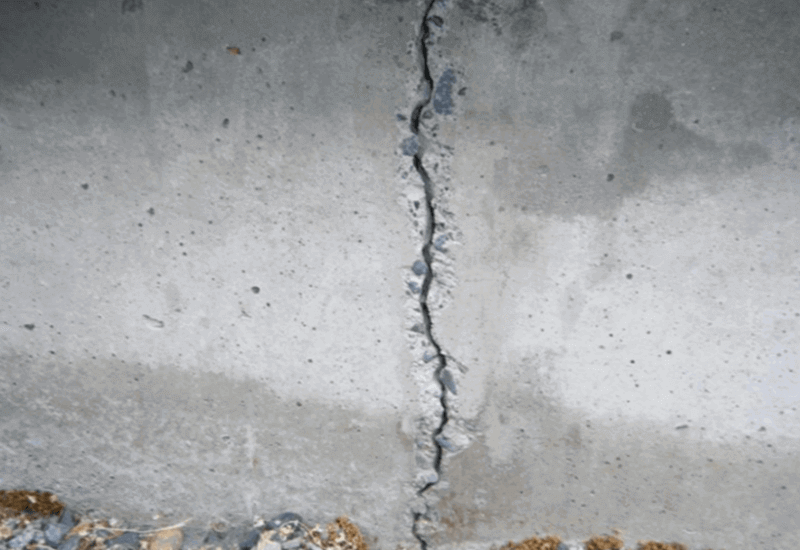
Foundation cracks are one of the most anxiety-inducing discoveries for homeowners, especially for first-time buyers or those living in areas with expansive clay soils. Yes, foundation cracks are normal in most cases, particularly hairline vertical cracks under 1/8 inch wide that occur during the natural settling process. However, the reality is more nuanced than you might expect, and understanding the difference between normal settlement cracks and serious structural damage can save you thousands in unnecessary repairs.
This comprehensive guide will help you distinguish between normal foundation cracks and those that signal serious structural issues, requiring immediate professional foundation repair services.
Foundation Crack Assessment Summary
| Crack Type | Width | Concern Level | Action Required |
| Hairline/Settlement | Less than 1/8 inch | Low | Monitor annually |
| Small diagonal | 1/8 to 1/4 inch | Moderate | Professional evaluation |
| Large diagonal | Over 1/4 inch | High | Immediate inspection |
| Horizontal | Any size | High | Immediate inspection |
| Wide vertical | Over 1/4 inch | High | Immediate inspection |
| Stair-step (block) | Any size | Moderate to High | Professional evaluation |
What Causes Foundation Cracks?
Understanding the root causes of foundation cracking helps homeowners distinguish between normal wear and serious structural problems. Foundation movement occurs due to various factors, including natural settling and environmental pressures.
Normal Settlement Causes
The majority of foundation cracks develop from natural processes that don’t threaten your home’s structural integrity:
- New construction settling: Homes typically settle during the first 2-3 years as the structure adjusts to its foundation and surrounding soil conditions
- Seasonal soil movement: Clay soils expand during wet seasons and contract during dry periods, causing minor foundation shifts
- Minor concrete shrinkage: Concrete naturally shrinks slightly during the curing process, often creating hairline vertical cracks
Environmental Factors
Weather patterns and soil conditions significantly impact foundation stability, particularly in regions with extreme temperature variations:
- Soil expansion and contraction: Expansive clay soils can exert tremendous pressure on foundations during wet seasons
- Temperature fluctuations: Freeze-thaw cycles cause concrete to expand and contract, potentially creating small cracks
- Moisture changes around the foundation: Poor drainage or sudden changes in soil moisture levels affect foundation stability
Problematic Causes Requiring Foundation Repair
Some crack causes indicate serious issues that need immediate attention from structural engineers or foundation specialists:
- Poor drainage systems: Water pooling around foundations creates hydrostatic pressure and soil erosion
- Tree root interference: Large tree roots can push against foundations or draw moisture from the soil, causing settlement
- Structural overloading: Adding weight without proper support can stress foundations beyond design limits
- Poor construction practices: Inadequate soil preparation, improper concrete mixing, or insufficient reinforcement
Types of Foundation Cracks and What They Mean
Different crack patterns tell distinct stories about the condition of your foundation. Learning to identify these patterns helps determine whether you’re dealing with normal foundation cracks or serious structural damage.
Hairline Cracks (Normal Foundation Cracks)
Characteristics: Less than 1/8 inch wide, usually vertical, often appearing near windows or corners
Cause: Normal concrete settling and minor shrinkage during the curing process
Concern level: Minimal – these are typically normal foundation cracks that don’t require immediate repair
Hairline cracks are the most common type of foundation cracking and rarely indicate structural problems. They often appear within the first year after construction as concrete completes its curing process.
Settlement Cracks (Usually Normal)
Characteristics: Small vertical cracks, often near corners or where different materials meet
Cause: House settling on foundation as soil compacts under structural weight
Concern level: Low if stable and not expanding over time
Settlement cracks typically stop growing once the home reaches equilibrium with its foundation. These normal foundation cracks should be monitored, but rarely require expensive foundation repair services.
Horizontal Foundation Cracks (Serious)
Characteristics: Run parallel to ground level, any width, often accompanied by bowing walls
Cause: Soil pressure, water damage, or structural failure
Concern level: High – requires immediate professional foundation inspection
Horizontal cracks are never normal and indicate serious foundation problems. They suggest that external pressure is pushing against your foundation wall, potentially leading to structural failure if not addressed promptly.
Wide Vertical Cracks (High Concern)
Characteristics: Vertical orientation but wider than 1/4 inch, may show displacement
Cause: Significant foundation settlement, structural overloading, or soil movement
Concern level: High – indicates substantial foundation movement
Wide vertical cracks differ from normal settlement cracks in their size and potential for continued expansion. These foundation cracks often signal serious structural issues requiring immediate professional foundation repair intervention.
Diagonal Foundation Cracks (Moderate to High Concern)
Characteristics: Run at 30-45 degree angles, often extending from corners or openings, varying widths
Cause: Differential settling, soil movement, or structural stress concentration
Concern level: Moderate to high, depending on width and progression
Diagonal cracks typically indicate uneven foundation settlement or differential soil movement beneath different areas of your home. These cracks often start at the corners of windows, doors, or other openings where stress concentrates. While narrow diagonal cracks may be manageable, wider ones or those showing rapid progression require immediate professional evaluation.
Stair-Step Cracks (Moderate Concern)
Characteristics: Follow mortar joints in block foundations, creating a stair-like pattern
Cause: Differential settling or lateral pressure on foundation walls
Concern level: Moderate to high, depending on progression and width
Stair-step cracking in block foundations often indicates uneven settling or lateral pressure. While not always immediately dangerous, these cracks require professional evaluation to prevent further foundation damage.
When Are Foundation Cracks Normal vs. Concerning?
Determining whether foundation cracks are normal requires careful observation of crack characteristics, timing, and associated symptoms. This knowledge helps homeowners avoid unnecessary panic while ensuring they don’t ignore serious foundation problems.
Normal Foundation Crack Indicators
Most foundation cracks fall into the “normal” category if they exhibit these characteristics:
- Width remains consistently under 1/8 inch over extended observation periods
- No change in size over time during seasonal monitoring
- No accompanying structural signs, such as doors sticking, window gaps, or floor separations
- Occur within the first few years of construction as part of the natural settling process
- Vertical orientation following typical settlement patterns
- Stable appearance without active water leakage or debris
Warning Signs of Serious Foundation Problems
Certain crack characteristics indicate foundation issues requiring immediate professional attention:
- Cracks wider than 1/4 inch suggest significant foundation movement
- Rapidly expanding cracks that grow noticeably between inspections
- Horizontal or diagonal crack patterns indicate structural stress
- Water leakage through foundation cracks compromises structural integrity
- Accompanying structural symptoms like sticking doors, tilting floors, or window frame gaps
- Multiple new cracks are appearing simultaneously, suggesting active foundation settlement
Foundation Crack Repair Solutions
Understanding your repair options helps homeowners make informed decisions about addressing foundation cracks. The right foundation crack repair method depends on crack severity, location, and underlying structural issues. Professional foundation contractors typically recommend these proven solutions:
Minor Crack Repair Methods
For hairline cracks and small settlement issues, several cost-effective repair options are available:
- Concrete crack injection: Polyurethane injection fills and seals minor cracks to prevent water infiltration
- Hydraulic cement application: Quick-setting cement provides temporary fixes for small foundation cracks
- Flexible sealants: Professional-grade sealants accommodate minor foundation movement
Major Structural Repair Solutions
Serious foundation cracks require comprehensive repair systems to restore structural integrity:
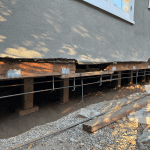
- Install steel straps: Steel straps strengthen cracked foundation walls without excavation
- Steel push piers: Foundation piers transfer structural loads to stable soil layers
- Foundation replacement: Complete foundation replacement becomes necessary when structural damage is beyond repair capabilities
Professional Assessment and Repair
Qualified foundation repair contractors evaluate crack patterns, soil conditions, and structural loads to determine optimal repair strategies. Professional foundation repair services ensure long-term structural stability and warranty protection for your investment.
When to Call a Foundation Repair Professional
Knowing when foundation cracks require professional evaluation can save money and prevent serious structural damage. Some situations demand immediate expert assessment, while others can be monitored safely.
Immediate Professional Foundation Consultation Needed
Contact foundation repair specialists immediately if you observe:
- Any horizontal foundation cracks, regardless of size or apparent cause
- Cracks wider than 1/4 inch showing active expansion or unusual patterns
- Rapidly changing or growing cracks that expand between routine inspections
- Multiple cracks are appearing simultaneously, suggesting active foundation movement
- Signs of structural movement include doors or windows not closing properly, floor gaps, or wall separations
What Foundation Professionals Will Assess
Qualified foundation repair contractors and structural engineers evaluate several factors:
- Comprehensive crack pattern analysis to determine underlying causes
- Soil and drainage evaluation around your foundation perimeter
- Long-term monitoring recommendations for borderline cases requiring observation
Wrapping Up
Foundation cracks are often a normal part of a home’s settling process, particularly in newer constructions and areas with reactive soils. The key to protecting your investment lies in understanding which cracks are benign versus those indicating serious structural issues requiring professional foundation repair services.
Hairline vertical foundation cracks under 1/8 inch wide are typically normal and pose no immediate threat to structural integrity. However, horizontal cracks, rapidly expanding fissures, or cracks accompanied by structural symptoms warrant immediate professional attention from qualified foundation specialists.
Regular monitoring, proper drainage maintenance, and knowing when to seek expert evaluation will help you protect your home’s structural integrity and maintain peace of mind. Remember that early detection and appropriate response to foundation problems can prevent costly repairs and preserve your property value for years to come.
