




California’s housing crisis has reached unprecedented levels, with millions of residents struggling to find affordable housing options. In response, the state has revolutionized its approach to accessory dwelling units (ADUs), making them a cornerstone solution for increasing housing density. An accessory dwelling unit in California represents more than just additional square footage; it’s a pathway to financial freedom, multigenerational living, and addressing the state’s critical housing shortage.
Recent legislative changes have transformed ADUs from complex, rarely approved projects into streamlined housing solutions that California homeowners can realistically pursue in 2025. These secondary housing units are now recognized as essential tools for creating affordable housing while providing property owners with significant financial benefits and communities with increased housing stock.
| Aspect | Details |
| Definition | Secondary housing unit on single-family residential property |
| Types | Detached, attached, garage conversion, junior ADU |
| Size Limits | Up to 1,200 sq ft (detached), up to 50% of primary dwelling (attached) |
| Key Benefits | Additional income, housing for the family, and increased property value |
| Permit Requirements | Building permits required, streamlined approval process |
| Parking | Generally not needed (as of recent legislation) |
| Timeline | 60-120 days for permit approval |
Accessory Dwelling Unit Overview: What is an Accessory Dwelling Unit? Understanding California’s Definition
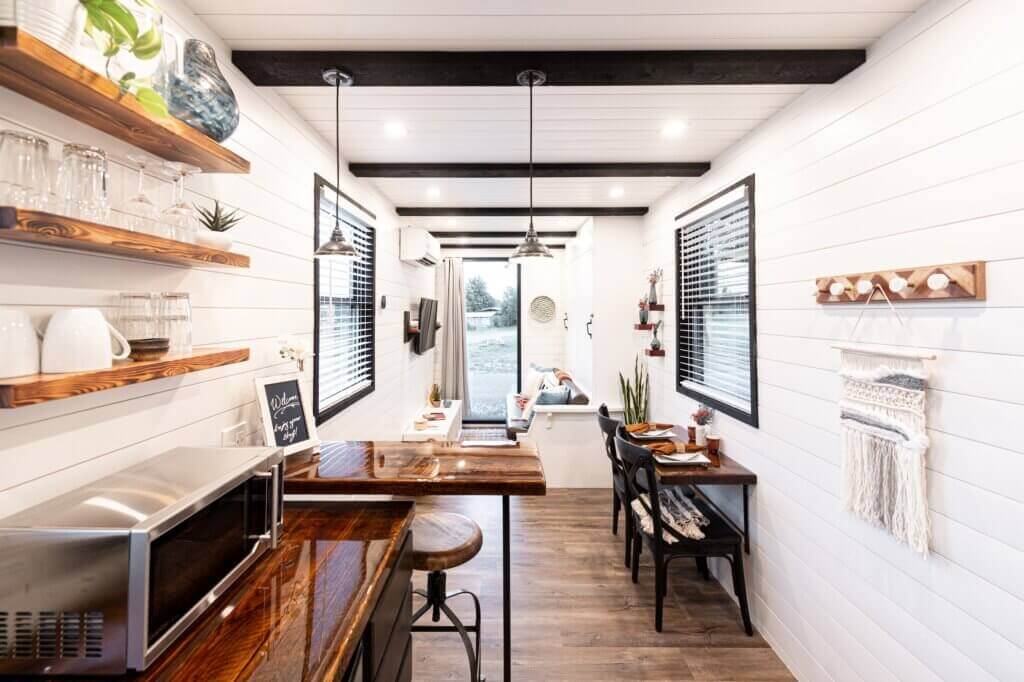
California defines an accessory dwelling unit as a secondary residential dwelling unit that provides complete independent living facilities for one or more persons. These units must include permanent provisions for living, sleeping, eating, cooking, and sanitation on the same parcel as a single-family dwelling. The state’s definition emphasizes the independence of these units while maintaining their subordinate relationship to the primary residence.
ADUs serve multiple critical purposes in California’s housing landscape:
- Housing Supply Expansion: Increase housing options without requiring new land development
- Affordable Rental Options: Provide accessible housing in expensive neighborhoods
- Aging in Place Solutions: Enable elderly family members to maintain independence while staying close
- Income Generation: Create financial opportunities for homeowners facing rising property costs
An ADU maintains a subordinate relationship to the primary residence, sharing the same lot while functioning as a completely independent living space. This relationship allows families to maintain proximity while ensuring privacy and independence for all occupants, making them ideal for California’s diverse housing needs.
Types of ADUs in California: Four Distinct Options
California recognizes four distinct types of accessory dwelling units, each offering unique advantages depending on your property characteristics and development goals. Understanding these options helps homeowners choose the most suitable ADU type for their specific situation and budget constraints.
Detached ADUs offer maximum privacy and flexibility as standalone structures separate from the main house. Key characteristics include:
- Complete independence from the primary dwelling
- New construction buildings with full customization potential
- Prefabricated units for faster, cost-effective development
- Converted existing structures like workshops or storage buildings
- Highest rental income potential due to privacy appeal
Attached ADUs share at least one wall with the primary dwelling, making them cost-effective options that utilize existing utilities and foundations. Common features include:
- Shared infrastructure reduces development costs
- Converted garages with existing structural elements
- Home additions that expand living space efficiently
- Basement conversions in suitable properties
Garage Conversions represent the most popular ADU type due to their cost-effectiveness and existing infrastructure. These projects typically involve:
- Converting single or double garages into livable spaces
- Adding insulation, electrical, and plumbing systems
- Installing proper ingress and egress requirements
- Maintaining ceiling height requirements for habitability
- Utilizing existing foundation and roof structures
Junior ADUs (JADUs) offer the most affordable entry point into ADU development, created within existing single-family residences. JADU characteristics include:
- 500 square feet is the maximum size limitation
- Shared utilities with the primary dwelling
- Optional shared bathroom facilities with the main house
- Required a separate entrance for independent access
California ADU Laws: 2025 Legislative Landscape
California’s ADU landscape underwent a dramatic transformation through comprehensive legislative reforms spanning 2017-2025. These changes have fundamentally altered how local jurisdictions approach ADU applications and created unprecedented opportunities for homeowners to develop secondary housing units on their properties.
The legislative evolution includes several key phases:
- 2017 Reforms: Established statewide ADU standards, reducing local government discretion to deny reasonable applications
- 2020 Updates: Eliminated owner-occupancy requirements temporarily and allowed ADUs on multifamily properties
- 2021-2023 Refinements: Extended owner-occupancy suspension and clarified local fee limitations
- 2024-2025 Developments: Enhanced pre-approved ADU plans, programs, and expanded utility connection fee protections
As of 2025, owner-occupancy requirements remain suspended, with the legislature continuing to extend this suspension to encourage ADU development. Property owners are not required to live on-site in either the primary dwelling or ADU, maintaining investment opportunities for non-resident property owners and real estate investors seeking rental income opportunities.
The streamlined approval process mandates that local agencies review ADU applications within 60 days, approve applications meeting state and local standards, limit subjective design review requirements, and charge proportional impact fees based on ADU size rather than arbitrary assessments.
Size and Design Requirements
California establishes clear size parameters to ensure ADUs remain accessory to primary dwellings while providing adequate living space for occupants. These requirements balance housing needs with neighborhood compatibility and infrastructure capacity.
Maximum Size Limitations vary by ADU type and configuration:
- Detached ADUs: 1,200 square feet maximum for multi-bedroom units, 850 square feet for one-bedroom units, 500 square feet for studio configurations
- Attached ADUs: Cannot exceed 50% of the primary dwelling’s existing living area, with 1,200 square feet as the absolute maximum
- Junior ADUs: 500 square feet maximum, regardless of primary dwelling size
Design and Development Requirements ensure safety and neighborhood integration:
- Setback Requirements: 4-foot minimum side and rear setbacks for new construction; existing conversions may maintain current setbacks
- Height Restrictions: 16 feet maximum for detached ADUs, cannot exceed primary dwelling height for attached units
- Utility Connections: Independent electrical systems with separate panels, shared or separate water and sewer connections, and gas connections if applicable
Permit Process and Costs in 2025
Successful ADU development requires navigating California’s streamlined but thorough permit process. The state’s reforms have standardized requirements while allowing local jurisdictions to maintain reasonable oversight and safety standards.
Required Documentation for permit applications includes:
- Site plans showing ADU location, dimensions, and property boundaries
- Detailed floor plans with room designations and square footage calculations
- Elevation drawings showing exterior appearance and neighborhood compatibility
- Utility connection plans demonstrating adequate infrastructure capacity
- Structural engineering reports are required for safety compliance
Development Costs in 2025 reflect current market conditions and material prices:
- Garage Conversions: $90,000 – $180,000 for the most cost-effective development utilizing the existing structure
- Attached ADUs: $140,000 – $280,000, offering moderate costs with shared infrastructure benefits
- Detached New Construction: $220,000 – $450,00,0, providing maximum flexibility and independence
Financing Options make ADU development accessible through traditional construction loans, home equity lines of credit, cash-out refinancing, and specialized ADU loan products designed specifically for secondary housing unit development.
Benefits of Building an ADU
ADUs provide substantial financial and lifestyle benefits that extend far beyond simple property improvements. These units create multiple value streams while addressing California’s pressing housing needs and changing demographic requirements.
Financial Benefits make ADUs attractive investments in California’s high-cost housing market:
- Rental Income: $1,800 – $5,000+ monthly, depending on location and unit quality
- Property Value Increase: $120,000 – $350,000 average appreciation in 2025 market conditions
- Tax Advantages: Potential deductions for rental property expenses and depreciation
- Investment Returns: 8-15 year payback periods for most projects, given current market conditions
Lifestyle Advantages address changing family needs and housing preferences:
- Multigenerational Housing: Elderly parents maintain independence while staying close to family
- Adult Children Support: Affordable housing options while saving for independent homeownership
- Home Office Solutions: Dedicated workspace for remote professionals and entrepreneurs
- Guest Accommodations: Comfortable spaces for visiting family and friends
Conclusion
Understanding the accessory dwelling unit in California reveals a powerful tool for addressing both personal financial goals and the state’s broader housing challenges. California’s progressive ADU legislation continues to evolve in 2025, eliminating historical barriers and creating unprecedented opportunities for homeowners to develop these valuable housing units.
Accessory dwelling units provide practical solutions for generating rental income, supporting multigenerational living, or boosting property value in today’s market. Before beginning your ADU journey, consult with local building departments and experienced ADU professionals who understand California’s evolving regulatory landscape to ensure successful project completion.
