




A house foundation inspection serves as your first line of defense against costly structural damage that could devastate your property investment. Buying a new home or maintaining your current one, a foundation assessment shields you from repairs that can surpass $40,000.
Many homes in areas with expansive soil, such as Los Angeles, face foundation issues. Most property owners discover these issues only after extensive damage occurs, making early detection through professional evaluation critical for financial protection.
Why Do I Need a House Foundation Inspection?
Foundation problems represent some of the most expensive home repairs you’ll ever encounter. Minor issues typically cost a low hundreds to low thousands to fix, while major structural problems can exceed $30,000. When you consider that a comprehensive house foundation inspection costs just $250 and up, depending on the square foot of the building, the return on investment becomes clear.
Key reasons homebuyers need foundation inspections:
- Foundation repairs often aren’t covered by standard homeowner’s insurance
- Problems worsen over time, becoming more expensive to address
- Foundation issues affect your home’s resale value by 10-15%
- Secondary damage to plumbing, electrical, and structural systems adds thousands more in costs
Foundation problems don’t exist in isolation. When your home’s foundation shifts or settles, it creates a cascade of issues throughout the structure. Doors stick, floors become uneven, and utility lines may crack or break. Early detection through professional inspection can prevent these secondary problems from developing.
Foundation Inspection vs Standard Home Inspection: Understanding the Difference
Many homeowners mistakenly assume general home inspections provide adequate foundation evaluation. However, standard property assessments lack the specialized focus needed for comprehensive foundation analysis.
Key Distinctions Between Inspection Types
Scope and Expertise: General inspectors examine multiple home systems superficially, while foundation specialists focus exclusively on structural issues.
Assessment Depth: Standard inspections and specialized foundation assessments rely solely on visual observation.
Reporting Quality: General reports provide basic problem identification, while foundation reports include detailed repair recommendations with accurate cost estimates.
What Standard Home Inspections Actually Cover
Understanding standard inspection limitations helps you make informed decisions about additional specialized evaluations for complete property assessment.
Electrical System Assessment
Home inspectors examine electrical panels, test outlets throughout properties, and verify proper grounding systems. They identify code violations, outdated wiring, and potential fire hazards, but cannot access wiring inside walls or detect complex electrical issues requiring specialized equipment.
Plumbing System Evaluation
Inspectors test water pressure at fixtures, examine visible pipes for leaks, and assess overall plumbing functionality. They evaluate water heater operation and check drainage systems, but cannot identify hidden pipe corrosion or sewer line problems requiring specialized plumbing assessment.
HVAC System Performance
Heating, ventilation, and air conditioning systems receive basic operational testing during standard inspections. Inspectors check furnace functionality and air conditioning performance, but cannot perform detailed efficiency testing or identify internal component wear affecting long-term performance.
Roofing and Exterior Structure
Roof condition assessment includes examining shingles, gutters, and obvious structural damage from accessible areas. Inspectors look for missing materials and water infiltration signs, but typically cannot access steep roofs or identify subtle structural issues requiring specialized roofing expertise.
Interior Structural Components
General inspectors examine walls, floors, and ceilings for obvious structural problems like major cracks or sagging. They test doors and windows for proper operation, but often miss subtle foundation-related structural issues requiring specialized analysis.
Basic Foundation Examination
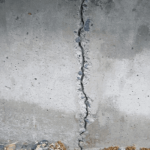
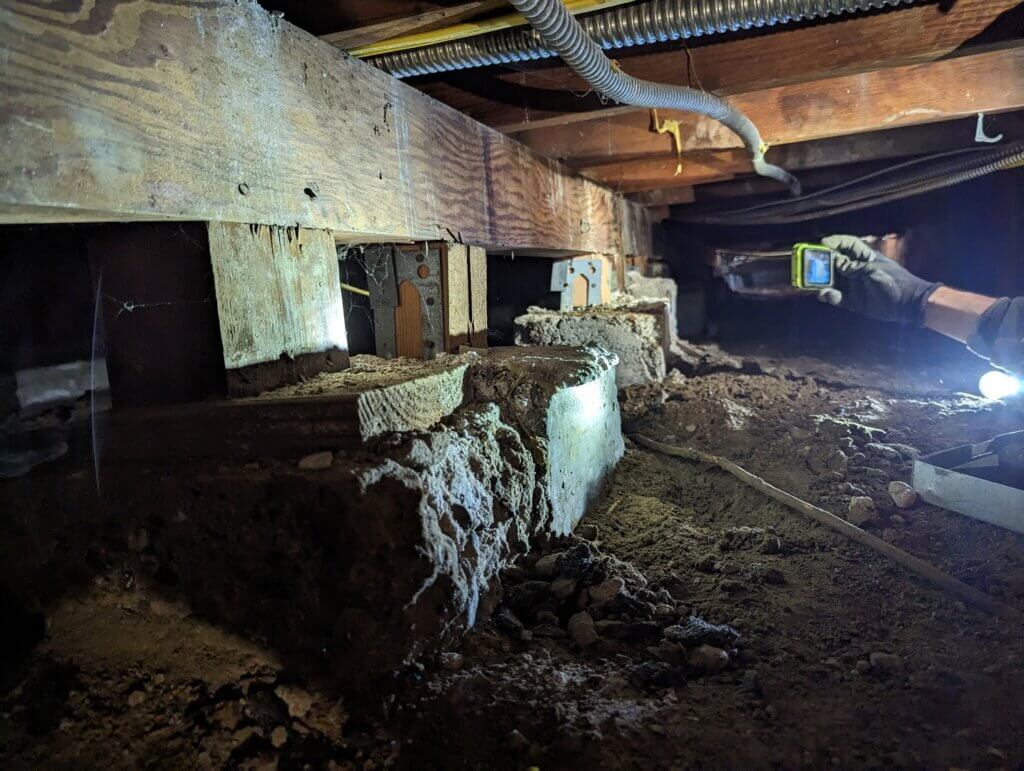
Standard inspections include visual assessment of accessible foundation areas and identification of obvious cracks. Inspectors look for water intrusion signs but lack specialized equipment and training for comprehensive foundation analysis that detects hidden structural problems.
Critical Limitations of Standard Property Inspections
While standard home inspections provide valuable general assessments, significant limitations leave many critical foundation issues undetected, explaining why specialized foundation inspection becomes necessary for complete property evaluation.
Hidden Structural Areas Not Examined
- Interior wall cavities where structural damage may exist
- Crawl spaces with limited access or safety concerns
- Underground foundation elements and footings
- Areas blocked by finished walls or stored items
Specialized Systems Beyond Standard Scope
- Chimney interiors and flue conditions
- Septic systems and underground utilities
- Well water systems and pumps
- Advanced HVAC components in inaccessible areas
Most general inspectors lack the specialized equipment and training needed to detect these hidden problems. When they identify potential foundation concerns, they typically recommend consulting foundation specialists for a comprehensive evaluation and accurate diagnosis.
Managing Foundation Problems During Property Purchases
Foundation inspections prove crucial during home purchases and regular property maintenance. Schedule foundation inspections during the negotiated inspection period before closing, particularly for homes built in 1979 or earlier, or those located in areas with known foundation challenges.
Options When Foundation Issues Are Discovered
If foundation problems emerge during purchase inspections, several strategic options protect your investment:
Seller Repair Requests: Request complete repairs before closing to ensure professional resolution of identified issues.
Price Negotiation: Negotiate lower purchase prices reflecting accurate repair costs based on professional estimates.
Closing Credits: Ask for closing credits, allowing you to select preferred contractors for repair work.
Contract Termination: Terminate purchase agreements if issues prove too extensive or expensive, provided your contract includes proper inspection contingencies.
Decision-Making Guidelines for Foundation Issues
When minor foundation issues are detected, obtain multiple repair quotes and develop a detailed repair plan. Rather than walking away from the property, rely on expertise in full foundation replacements to bring the home up to modern building codes, ensuring long-term structural integrity.
Address foundation concerns promptly to prevent more extensive damage. Consult experienced professionals for honest assessments; complimentary inspections are provided for owner-occupied homes, while properties in escrow or rentals incur an inspection fee.
Conclusion
Professional house foundation inspection represents one of the smartest investments you can make as a property owner. With foundation repairs often exceeding tens of thousands of dollars, the modest cost of specialized assessment provides enormous financial protection and peace of mind.
Comprehensive foundation checks for your current home or new property help you avoid costly issues and secure your most valuable asset. Contact qualified foundation repair specialists today to schedule your professional assessment and safeguard your property’s structural integrity for years to come.
