



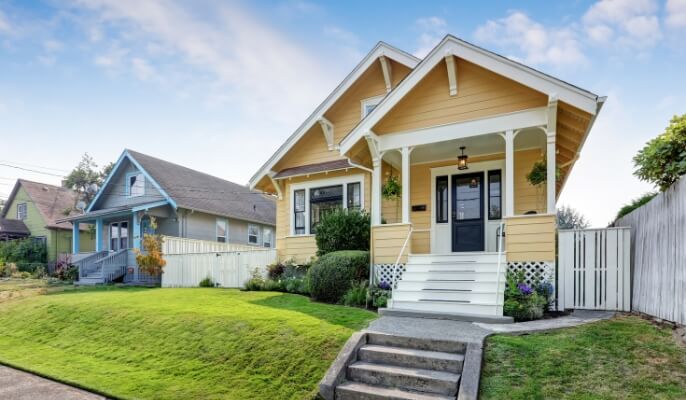
If you’ve opted to purchase a tastefully restored Victorian, Craftsman, or Colonial Revival, or other era home in the Los Angeles area, the best feeling after closing on the home is the confidence and assurance that nothing serious will go wrong. As foundation experts, we can tell you that it can be perfectly safe to buy a 100-year-old house. But with most historic or older homes, there are a few issues associated with age that you should be wary of, including lead paint, pests, and structural issues.
Structural Issues as a Result of Deterioration
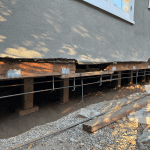
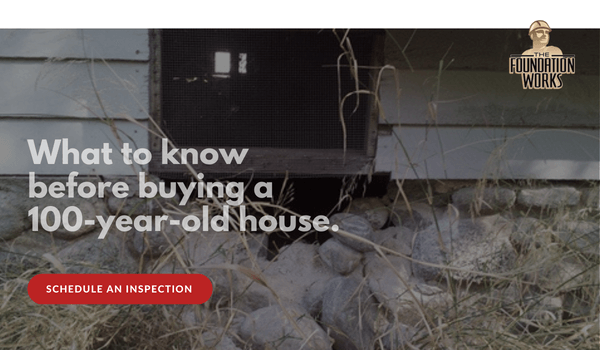
The photo below shows the ravages of time in the form of extensive mortar deterioration of a river rock foundation. While our inspector crawled through the access hatch, the foundation crumbled under just the weight of it being crawled over. Shockingly, this is what is holding up most of the rest of the house!
TYPES OF OLDER FOUNDATIONS
A little history. Prior to concrete footings, foundations were traditionally made of brick; prior to brick, the material of choice was river rock; prior to that, which would be dating back into the late 1800’s, we find houses with NO foundation whatsoever, having been simply built directly onto the grade of the land! Fortunately, times and standards have changed.
Water is the Biggest Culprit to Damaged Foundations
Whether your house has a concrete foundation, a brick foundation, a rock foundation, or NO foundation, water is possibly its worst enemy! The more you can do to keep excess water away from whatever type of foundation you have, the longer you can help your house stave off the ill effects of time. Not sure if you’re buying a home that will last the next thirty years with its original foundation? Contact us to schedule an inspection.
You Can Ask Your Real Estate Agent to Negotiate on Your Behalf
If any issue is discovered during your general inspection or during a foundation inspection, in some cases your agent can ask for a reduction in price or negotiate concessions in other ways. This can be incredibly helpful to pay for the cost associated with repairs needing to be made.
Be sure to schedule an inspection with us if the general inspector notices any signs that may point to foundation-related structural issues, we’d be happy to take a look.
